



Meditation posture, spinal alignment, breathing rhythm, and physical comfort are closely connected. The cushion beneath you quietly determines whether your attention stays on meditation or shifts toward discomfort. This is why the discussion around buckwheat vs memory foam pillow materials continues to grow. Natural buckwheat hull cushions and synthetic memory foam cushions are often compared not only for comfort but also for posture stability, sustainability, breathability, and long term support.
Ergonomic pillow studies consistently show that proper support plays an important role in maintaining cervical spine alignment and reducing muscular strain. Poor support can contribute to stiffness, discomfort, and reduced relaxation quality during rest or seated posture.
Understanding buckwheat and memory foam meditation cushions
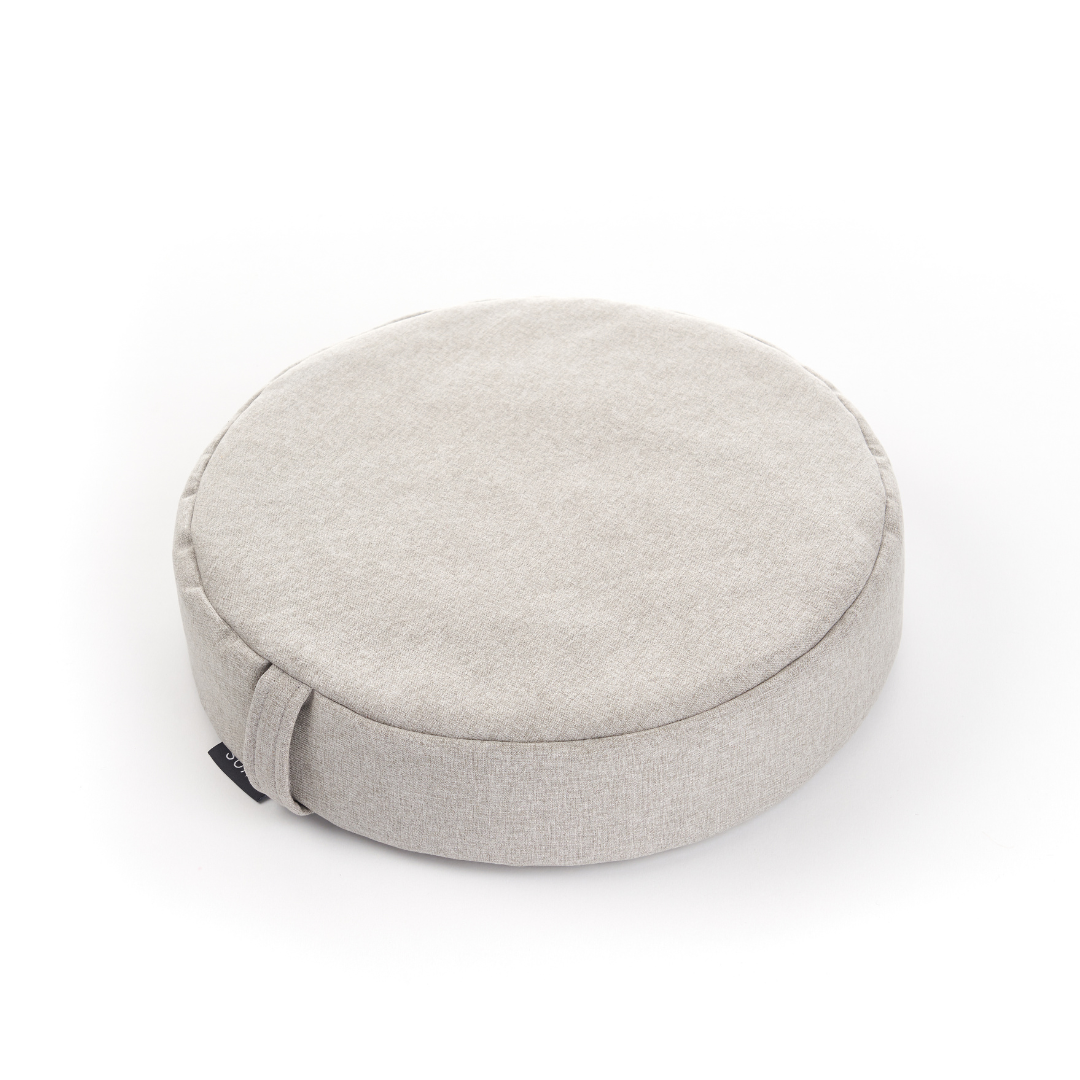
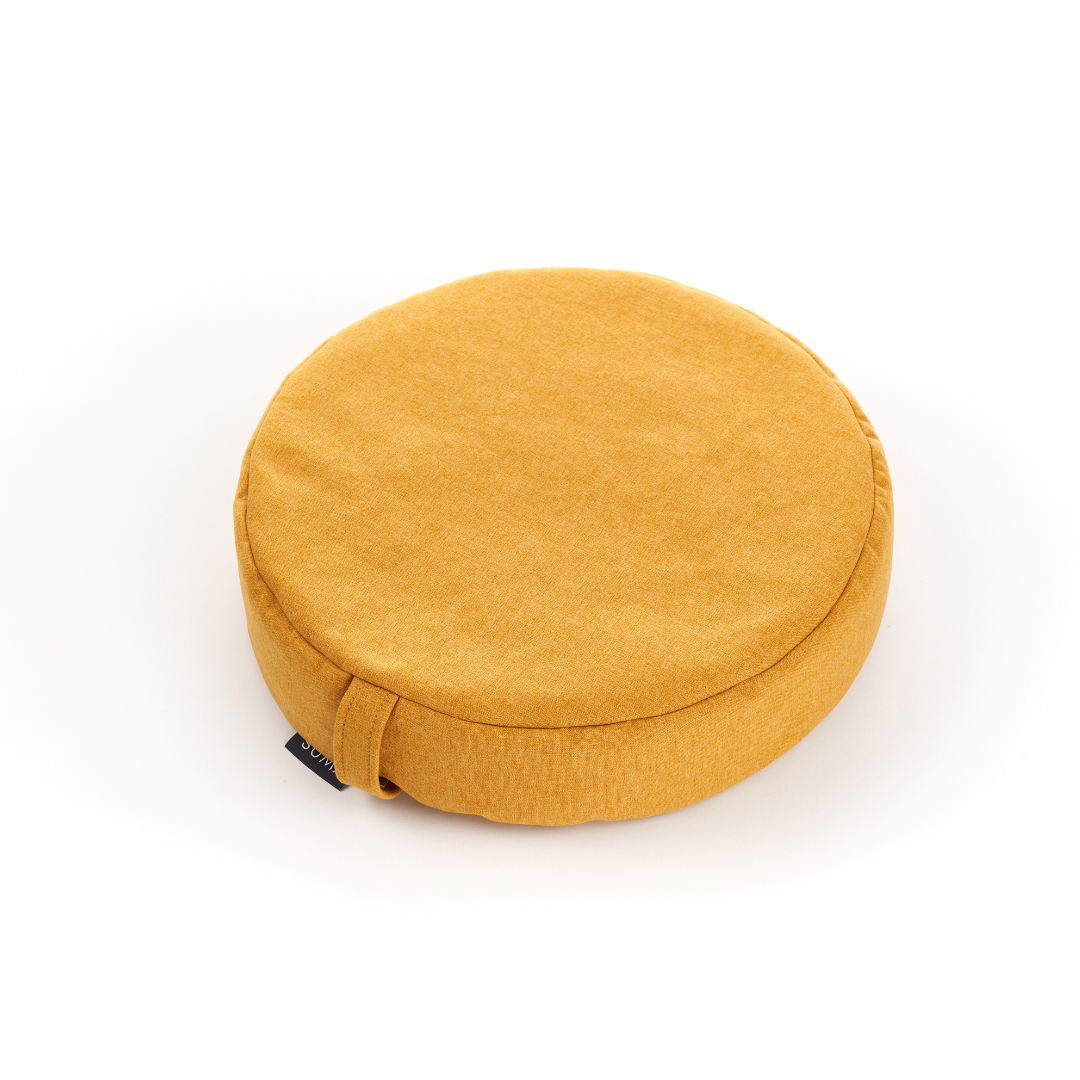
Buckwheat meditation cushions use natural seed hull filling that shifts slightly while remaining firm. This creates stable posture support without excessive sinking. Memory foam cushions use viscoelastic foam that softens under pressure and contours closely to the body, offering plush comfort but less structural firmness. Both materials serve different comfort preferences, but their behavior during longer meditation sessions differs significantly.
Features that actually matter when choosing a meditation cushion
When comparing buckwheat and memory foam cushions, the key differences usually come down to airflow, support stability, durability, sustainability, and overall sitting comfort. These factors directly influence how long you can meditate comfortably and how well your posture holds during the session.

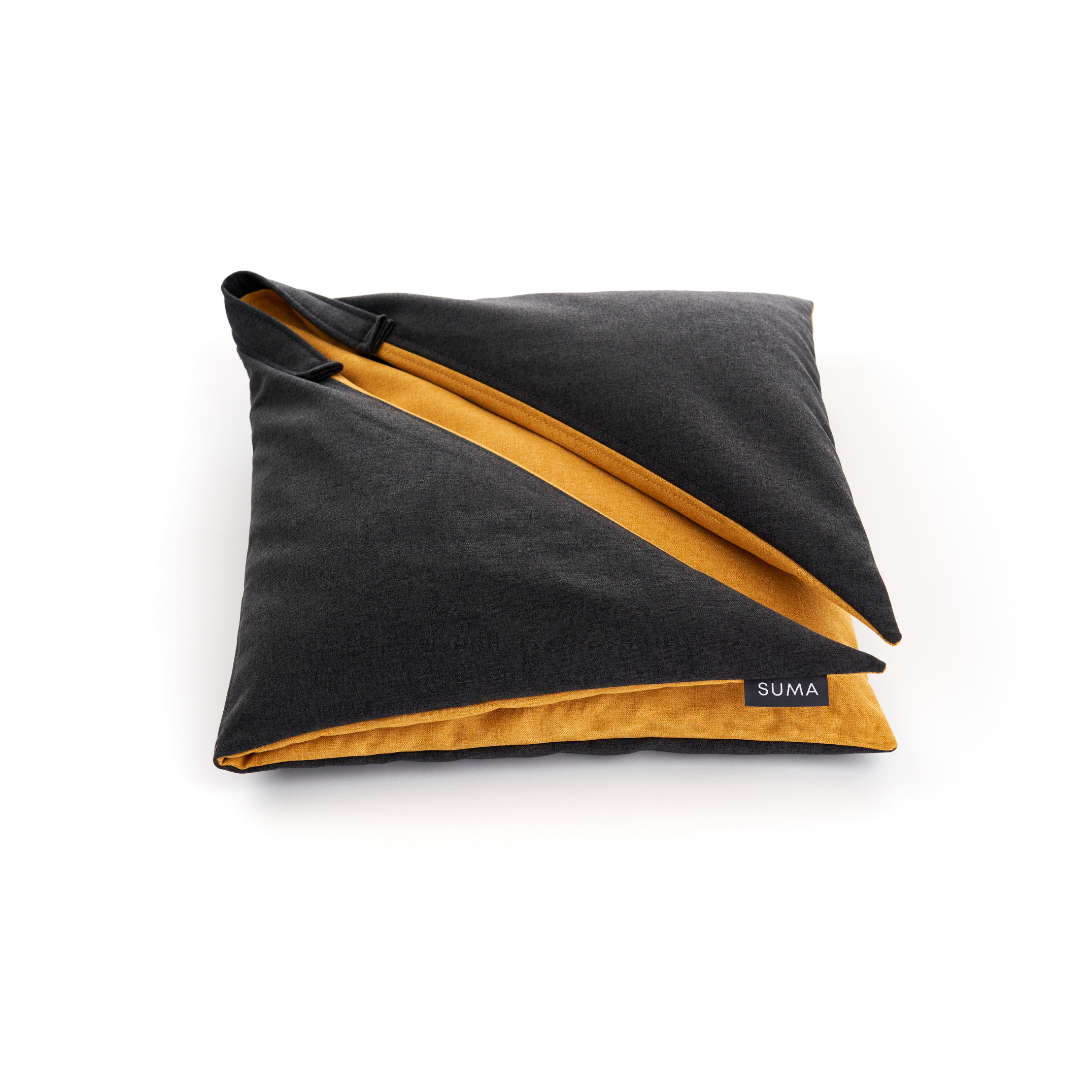
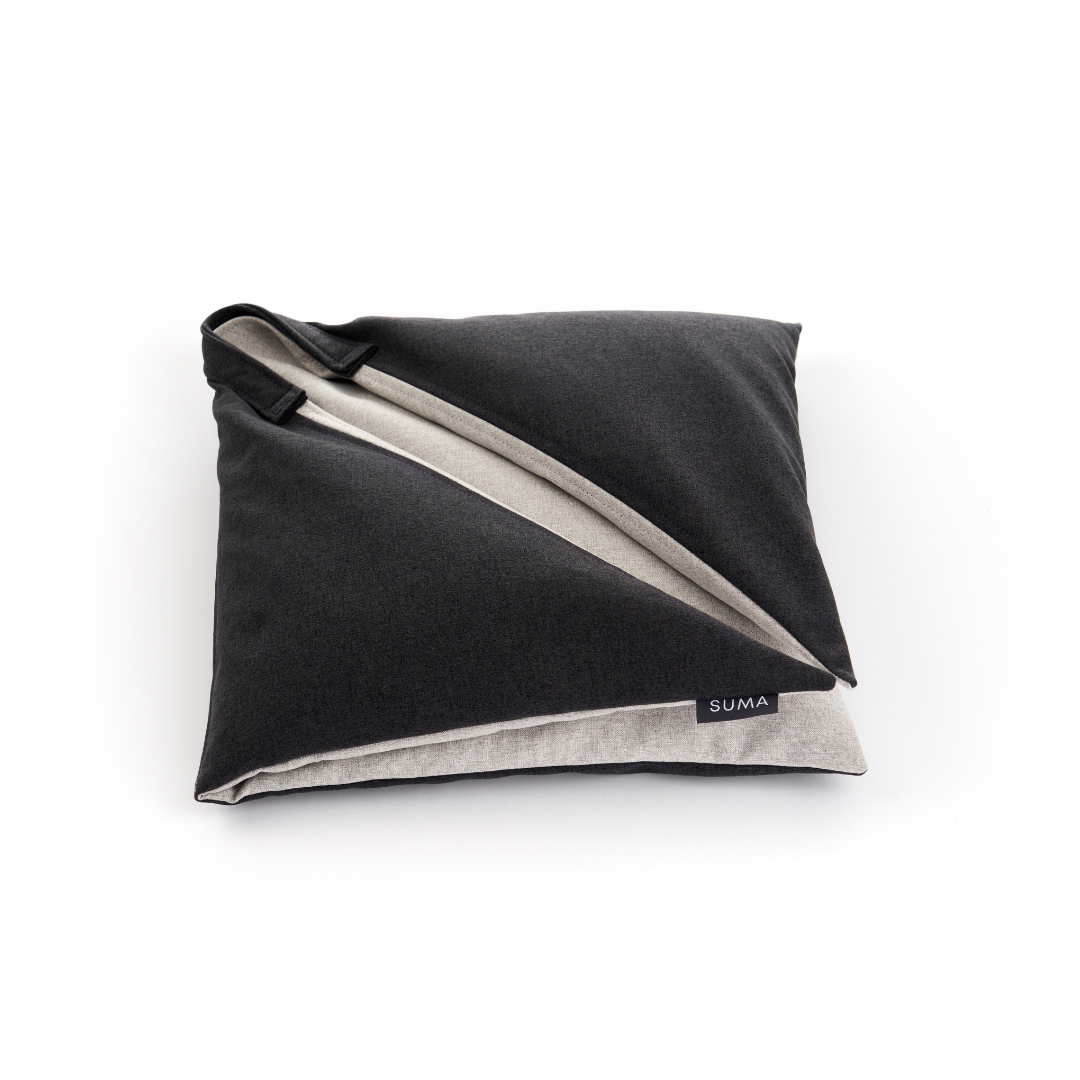
Buckwheat hulls
1. Breathability and temperature regulation
Thermal comfort is often underestimated in meditation seating. Excess heat buildup can reduce focus and create restlessness. Buckwheat hull cushions naturally allow airflow between particles, helping regulate temperature and prevent overheating. Memory foam tends to retain heat because of its dense structure, even when cooling features are added. This difference becomes especially noticeable in warmer climates or during longer meditation sessions.
2. Structural support vs sink comfort
Memory foam is known for contouring softness. It compresses under pressure and molds to body shape, creating immediate comfort. Many casual users appreciate this plush feel. However, excessive softness can reduce posture stability during meditation, sometimes leading to gradual slouching.
Buckwheat cushions behave differently. The hulls redistribute weight while maintaining height and firmness, helping keep hips slightly elevated and supporting neutral spinal posture. This stability is often preferred for longer meditation practice.
3. Durability and long term performance
Durability often determines whether a cushion remains supportive over time. Buckwheat hull cushions usually maintain shape because hulls do not permanently compress and can often be adjusted or refilled. Memory foam gradually loses resilience through repeated compression cycles, which can reduce support after extended use.
4. Sustainability and material considerations
Environmental factors are becoming increasingly important when choosing wellness products. Buckwheat hulls are renewable agricultural byproducts that are biodegradable and minimally processed. Memory foam is petroleum based polyurethane foam, involving synthetic production processes and less environmentally friendly disposal.
This broader sustainability conversation frequently appears in comparisons involving natural versus synthetic materials across bedding and seating products.
5. Practical comfort for meditation practice
For meditation practitioners seeking posture stability, breathability, and consistent sitting support, buckwheat cushions often provide a noticeably different experience compared with memory foam alternatives. Foam cushions may feel softer initially, but firmer support can improve comfort over longer sessions by maintaining proper alignment.
6. Hypoallergenic considerations
Buckwheat hull cushions are often considered hypoallergenic because they resist dust mites and moisture accumulation. This can be beneficial for individuals sensitive to allergens or those practicing meditation in humid environments. Memory foam cushions vary depending on manufacturing quality, and while some incorporate ventilation features, they remain synthetic materials.
| Feature | Buckwheat meditation cushion | Memory foam meditation cushion |
|---|---|---|
| Support level | Firm adaptive support that maintains posture stability | Soft contouring comfort with some sinking |
| Spinal alignment | Helps maintain neutral posture during long sitting | May reduce stability over time |
| Breathability | Natural airflow through hull structure | Heat retention common |
| Temperature comfort | Typically cooler during extended sessions | Can feel warmer |
| Durability | Long lasting, refillable, shape retaining | Gradual compression over time |
| Sustainability | Natural biodegradable filling | Synthetic petroleum based material |
| Hypoallergenic potential | Naturally resistant to dust mites and moisture | Depends on foam formulation |
| Long meditation sessions | Better posture endurance | Comfortable initially but may encourage slouching |
| Typical user preference | Regular meditators, posture focused users | Casual users or comfort focused seating |
| Which one should you choose | Best if posture stability, breathability, and sustainable comfort matter most | Best if immediate softness is the priority |

Conclusion
If the main priority is plush softness for occasional sitting or relaxation, memory foam cushions can feel comfortable and familiar. If posture stability, airflow, durability, and sustainable materials matter more for consistent meditation practice, buckwheat cushions often provide stronger long term benefits. Both options serve valid purposes, but their design priorities are different.


Leave a comment
All comments are moderated before being published.
This site is protected by hCaptcha and the hCaptcha Privacy Policy and Terms of Service apply.